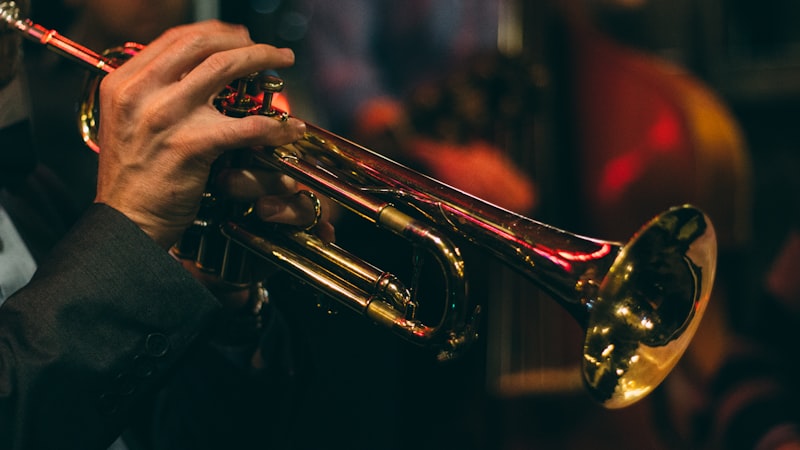
To understand where soul music is going, we must constantly revisit where it came from. The architecture of modern R&B, Neo-Soul, and even Hip-Hop is built on the foundations laid by the giants of the 1960s and 70s. This report highlights the continuing influence of Soul Legends and how their DNA persists in 2026's musical landscape.
The Architects of Emotion
Artists like Aretha Franklin, Otis Redding, and Marvin Gaye didn't just sing songs; they documented the human condition. Their ability to fuse gospel spirituality with secular rhythm created a language of emotion that transcends time. Today, we see artists like Marcus & The Rays directly channeling this energy. The "call and response" techniques, the raw vocal delivery, and the social commentary are all direct lineages from these pioneers.
Sampling as Preservation
While some purists decry sampling, we view it as a vital form of archival preservation. When a modern producer chops a sample from a 1974 Soul Labels obscurity, they are recontextualizing that history for a new ear. It keeps the names of session musicians and songwriters alive in the credits. We are seeing a trend of "living samples," where legacy artists are brought into the studio to re-record or perform new parts on modern tracks, bridging the gap between generations.
The Live Performance Standard
The greatest legacy of the soul era is the standard of live performance. There was no autotune to hide behind. You had to be able to sing. This standard is returning. Audiences are demanding authenticity. The "Soul Legends" benchmark is pushing new artists to hone their craft, study music theory, and master their instruments. The showmanship of James Brown or the vocal control of Whitney Houston remains the north star for aspiring talent.