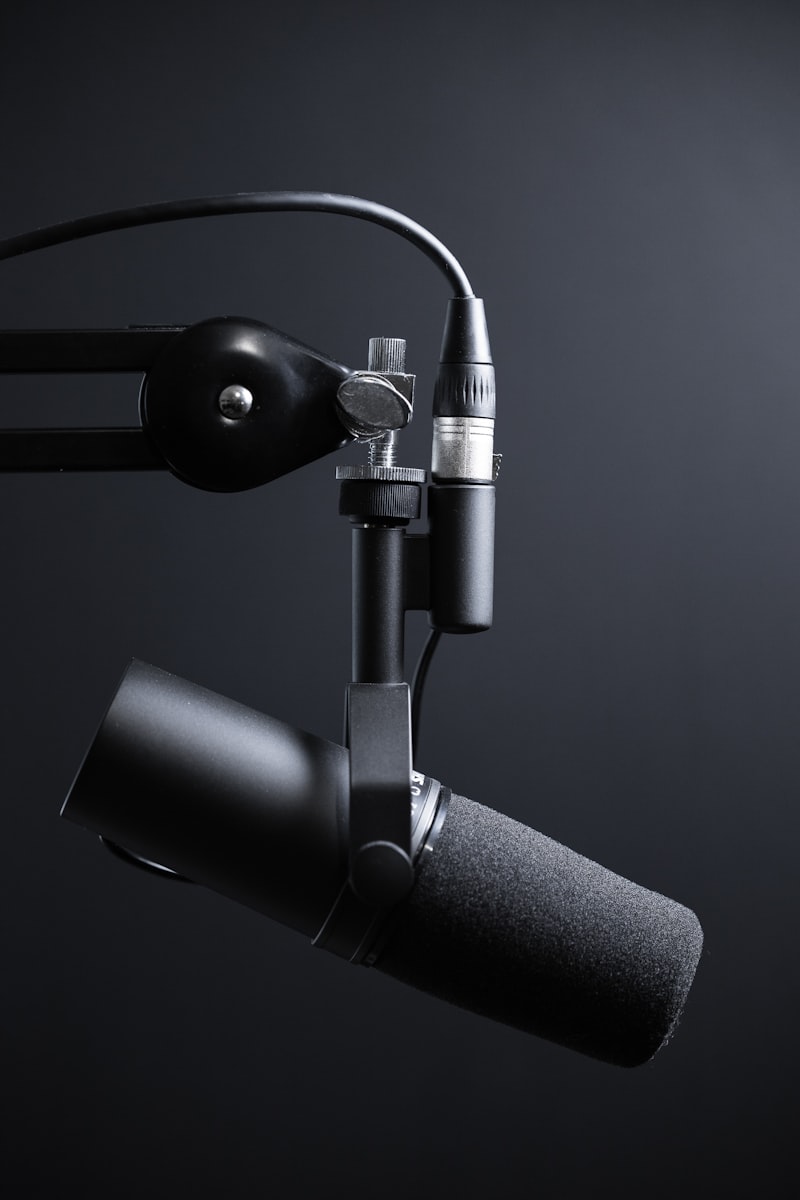
Technology shapes art. The microphone changed singing; the amplifier changed the band. In 2026, we are witnessing a subtle but powerful shift in studio technology that is specifically benefiting the Soul and Jazz genres. We are moving away from "corrective" tech (autotune, quantization) towards "capture" tech.
32-Bit Float Recording
The adoption of 32-bit float audio interfaces allows for virtually infinite dynamic range. You can't clip the signal. This is a game-changer for recording dynamic soul vocalists who might go from a whisper to a scream in a single bar. Engineers no longer have to ride the faders or compress the signal on the way in just to be safe. We can capture the full, unbridled performance and decide on dynamics later. It sounds more natural.
AI Pattern Recognition in Mixing
Not generative AI, but assistive AI. New plugins listen to a mix and identify frequency masking (where the kick drum hides the bass guitar). This "boring" technical work is now automated, freeing the mixing engineer to focus on creative decisions like space, depth, and emotion. It allows mixes to be clearer without sounding sterile.
Virtual Microphone Modeling
Few studios can afford a $20,000 vintage Neumann U47. But modeling technology has matured to the point of indistinguishability. A producer can record with a flat, neutral mic and then "apply" the sonic signature of legendary vintage tubes and ribbons in post-production. This gives indie soul artists access to the "Million Dollar Signal Chain" that defined the classic records of the 70s.