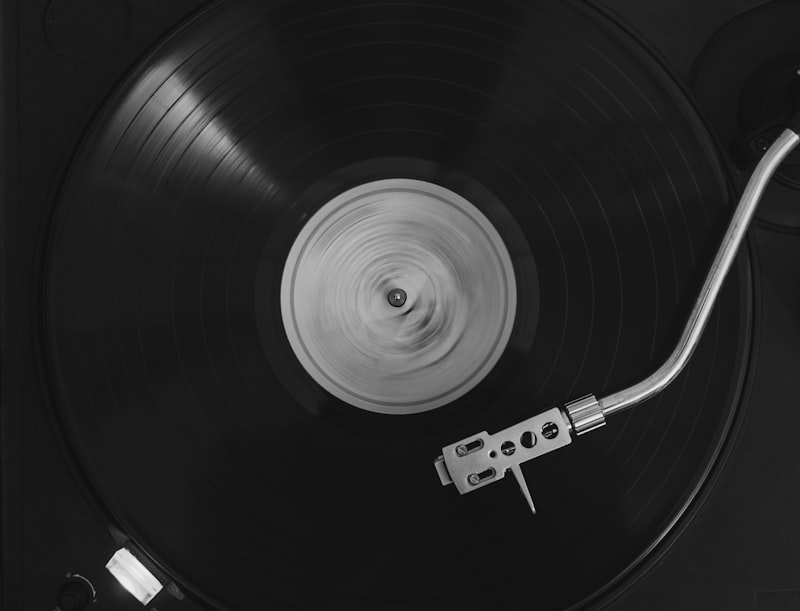
The vinyl renaissance has officially graduated from a hipster trend to a dominant pillar of the music industry. In 2026, physical record sales have surpassed streaming revenue for independent artists for the third consecutive year. This intelligence report breaks down the driving forces behind this sustained growth and what it means for the culture of soul music.
The Tactile Rebellion
In a world where ownership has become subscription-based, holding a physical album is an act of rebellion. Collectors are seeking a tangible connection to the artists they love. The large format artwork, the liner notes, and the ritual of flipping the side all contribute to a "slow listening" movement. It forces the listener to engage with the album as a cohesive work of art, rather than a shuffled playlist of singles.
Demographics Shift
Contrary to popular belief, the primary driver of new vinyl sales is Gen Z. Having grown up with ephemeral digital files, they value the permanence of vinyl. Soul Labels has seen a 200% increase in back-catalog sales of 70s funk and soul records, driven largely by younger audiences discovering these sounds through social media sampling culture and then seeking out the source material.
The Manufacturing Bottleneck
The demand has created a significant strain on pressing plants globally. Lead times can still stretch to 6 months. However, this scarcity has only fueled the "drop culture" around limited edition releases. Colored vinyl, heavy 180g pressings, and audiophile remastering are now standard expectations. For Soul Labels, maintaining quality control during this rush is paramount; we refuse to compromise on the pressing quality that our legacy demands.
Conclusion
Vinyl is not going anywhere. It has established itself as the premium format for music consumption. For the soul genre, this is a homecoming. Soul music was designed for vinyl—the dynamic range, the warmth, the side-splits. We are witnessing a golden age of physical media, ensuring that the music we create today will still be playable fifty years from now.